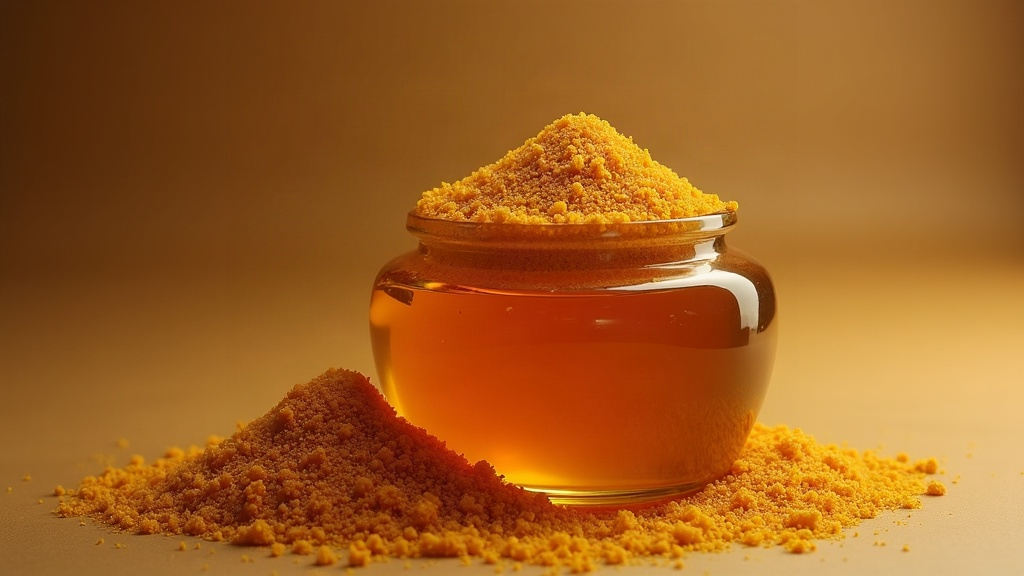
Long before glucose monitors and nutrition labels, home cooks reached for Biblical drink (oil)/ Honey blend as part of slow, unhurried meals. This page looks at that old kitchen habit and the everyday routines that surrounded it — not as a fix, but as a piece of food history worth understanding alongside the guidance of your own doctor.
Ask around any kitchen table and the same pattern surfaces: the hours after a meal seem to shape the rest of the day more than the meal itself. People who pay attention to what they eat often describe a familiar rhythm — a dip here, a fog there — long before they describe any single food as the culprit. That everyday observation, more than any single number, is where most of this conversation actually starts.
Grandmothers who kept a jar of Biblical drink (oil)/ Honey blend on the counter weren't chasing a lab result — they were pacing a meal so the afternoon didn't feel like a cliff edge. That instinct, to slow a meal down rather than rush it, is worth revisiting.
Waking up tired despite a full night's sleep is one of the most common complaints among people who track their meals closely. It's less a mystery than a pattern shaped by what, and how, the evening before was eaten.
Grocery aisles full of conflicting labels leave many people second-guessing every choice. The confusion isn't a personal failing — it's the natural result of too much noise and too little context.
Three meals a day, every day, each one a small negotiation. For anyone paying close attention to their eating habits, that constant decision-making can be as tiring as the food choices themselves.
Some of the most repeated ideas about carbohydrates, fruit, and ‘special’ foods come from habit rather than history. A closer look at where these ideas came from — and what old kitchens actually did — tells a more useful story.
All carbohydrates are the enemy and should be avoided completely.
Carbohydrates are one part of a plate among several. How a meal is built and paced tends to matter just as much as which foods appear on it. A dietitian or physician can help translate that into something personal.
Fruit is basically sugar in disguise, so it’s off the table.
Whole fruit, eaten as it grew, has been part of everyday meals for generations precisely because it was never treated the same as refined sweets. The old habit was to eat it whole, in season, alongside other food — not to avoid it outright.
There’s a special category of ‘diabetic food’ that solves the problem.
Most kitchens through history never had a separate pantry for this. What changed was portion, pacing, and preparation — not a magic substitute product. Any dietary change is worth discussing with the professional who already knows your history.
None of this is a program or a protocol — it’s a look at how meals used to be built, one habit at a time.
Older kitchens often served vegetables first, almost as a matter of manners rather than strategy. Eating the plainer, greener parts of the plate before the heavier ones was simply how a meal began.
A meal eaten over twenty unhurried minutes looks nothing like one eaten standing at the counter in five. Chewing slowly, pausing between bites, and putting the fork down between mouthfuls were once ordinary table habits, not techniques. As with any change to routine, it’s worth mentioning to the healthcare provider who already oversees your care.
In many households, a walk after supper wasn’t exercise — it was just what happened after the dishes were cleared. That small, gentle movement, done consistently, was part of the rhythm of the day rather than a separate task.
Long before it had a name on a label, a blend of oil and honey appeared on tables across the ancient Mediterranean and the Levant, mentioned in old agricultural calendars and household texts as a marker of a good harvest. It was drizzled over warm bread, stirred into grains, or offered to a guest as a small gesture of hospitality — a way of saying the table was open. It wasn’t measured or dosed; it was simply part of how a meal was shared, tied to the seasons and to whatever the olive trees and the hives had produced that year.
What survives from that tradition today is less a formula than a habit: pairing something rich with something sweet, slowly, at a shared table — not eaten in a rush, and never treated as anything more than part of a meal.
If the same pattern of a crash or a spike keeps showing up after meals, week after week, it's worth describing to the doctor who already knows your history rather than trying to interpret it alone.
Persistent changes in thirst or hunger that don't match your usual routine are a conversation for your healthcare provider, not a pattern to self-diagnose.
If sleep quality seems to shift noticeably around certain meals or times of day, that's worth raising at your next appointment.
Any new or ongoing numbness, tingling, or unusual sensation deserves a direct conversation with a medical professional, not a guess based on diet alone.
Skin changes or slow healing are signals to bring to your doctor promptly — they're outside the scope of any dietary habit or kitchen tradition.
Unexplained weight change paired with any other new symptom is always worth a timely visit to the professional managing your care.
These accounts describe personal routines and organizational habits only. They are not claims about any medical outcome, glucose reading, or treatment result. Individual experiences vary, and this content does not replace guidance from a healthcare professional.
This page is meant to inform, not to replace the care already guiding you. Before changing anything about your meals, routine, or treatment, talk to the healthcare professional who knows your history best.
Advertising Disclosure: This page contains sponsored content and affiliate links. We may receive compensation if you make a purchase or take action through links provided on this site. This helps support the operation of this website at no additional cost to you.
Content Disclaimer: This content is provided for educational and informational purposes only. It has not been evaluated by the FDA and is not intended to diagnose, treat, cure, or prevent any disease or medical condition. Nothing on this page is medical advice and it does not substitute for professional medical guidance. Always consult a qualified healthcare professional before changing your diet, routine, or any prescribed treatment.
Results Disclaimer: Individual results and experiences vary. Any testimonials or personal accounts shared on this page reflect individual opinions and are not a guarantee of any particular outcome for any other person.
© 2026 · All Rights Reserved